Building a home is one of life’s most cherished aspirations. However, skyrocketing prices for conventional construction materials—such as river sand, kiln-fired red clay bricks, structural steel, and cement—place an immense financial burden on middle-class families and affordable housing developers across India.
Fortunately, contemporary civil engineering and sustainable architecture have unlocked advanced, eco-friendly alternatives. By choosing validated alternative materials, you can reduce civil construction costs by 15% to 25% while simultaneously lowering indoor room temperatures, cutting construction time, and reducing your home’s carbon footprint.
Validated by research from the Building Materials & Technology Promotion Council (BMTPC, Govt of India), certified alternative materials deliver durable structural performance at reduced expenditure. In this guide, Vedha Design Studio explores the top 7 low-cost building materials for affordable housing in India in 2026, detailing their cost savings, compressive strength, and ideal applications.
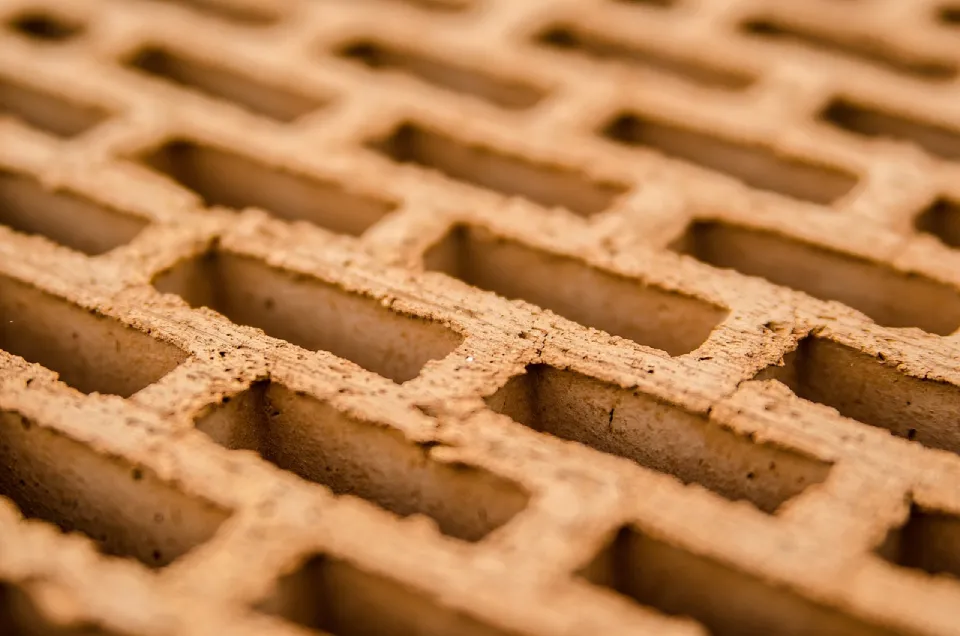
1. Fly Ash Bricks (Save 20% – 30% Over Clay Bricks)
Fly ash bricks are manufactured by compressing industrial pulverized coal ash, cement, sand, and gypsum. They are rapidly replacing traditional kiln-burnt red clay bricks across India:
- Cost Efficiency: While traditional red country bricks cost ₹10 to ₹13 per piece in metro regions, fly ash bricks cost only ₹5.50 to ₹7.50 per piece delivered to site.
- Mortar Savings: Because fly ash bricks are machine-moulded with razor-sharp edges and zero warpage, masonry wall construction requires 25% to 35% less cement-sand plastering mortar.
- Thermal & Fire Resistance: Superior fire rating and lower heat conductivity compared to red bricks, keeping interiors significantly cooler in tropical climates.
2. Autoclaved Aerated Concrete (AAC) Blocks
AAC blocks are lightweight, precast cellular concrete blocks made with fine silica sand, cement, lime, water, and an aluminum expanding agent:
- Structural Load Reduction: AAC blocks are roughly 3 times lighter than traditional red bricks. This dramatically reduces the dead weight of multi-storey buildings, enabling structural engineers to optimize column dimensions and save 12% to 18% on expensive TMT steel.
- Rapid Masonry Speed: A single standard AAC block (600×200×150 mm) replaces 6 standard clay bricks, cutting wall construction time by over 50%.
- Thermal Insulation: Cellular air pockets provide a thermal conductivity of just 0.16 W/m-K, substantially reducing air conditioning electricity bills.
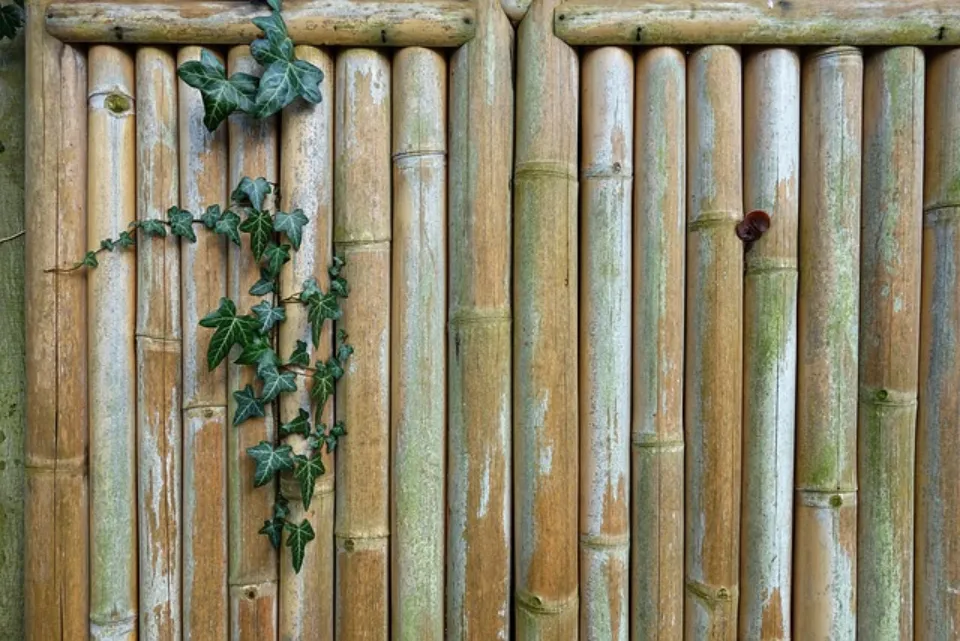
3. Structural Treated Bamboo Composites
Often hailed as “green steel,” bamboo has tensile strength comparable to mild steel and compressive strength twice that of concrete when properly seasoned and chemically treated with boron:
- Applications: Lightweight roof trusses, interior non-load-bearing partition walls, balcony pergolas, and prefabricated wall panels.
- Cost Savings: In regions with abundant natural resources like Northeast India, Kerala, Karnataka, and Tamil Nadu, structural bamboo trusses reduce roof framing expenses by 40% to 50% compared to structural MS steel tubular sections.
- Carbon Negative: Bamboo absorbs massive amounts of atmospheric carbon dioxide and regenerates in just 3 to 5 years without soil erosion.
4. Manufactured Sand (M-Sand & P-Sand)
With river sand extraction heavily restricted, regulated, and ecologically damaging across India, manufactured sand produced from crushed hard granite rock is the ultimate cost-effective solution:
- Financial Advantage: M-sand costs ₹55 to ₹65 per cft, whereas river sand (where available) frequently trades at ₹110 to ₹145 per cft with high transport markups.
- Zero Impurities: Unlike river sand which often contains silt, marine shells, and organic clay, M-sand is graded and washed, preventing plaster efflorescence and peeling paint.
- Higher Compressive Strength: Cubical particle shapes with rough surface texture provide superior mechanical interlock in concrete mixes conforming to IS 383 standards.
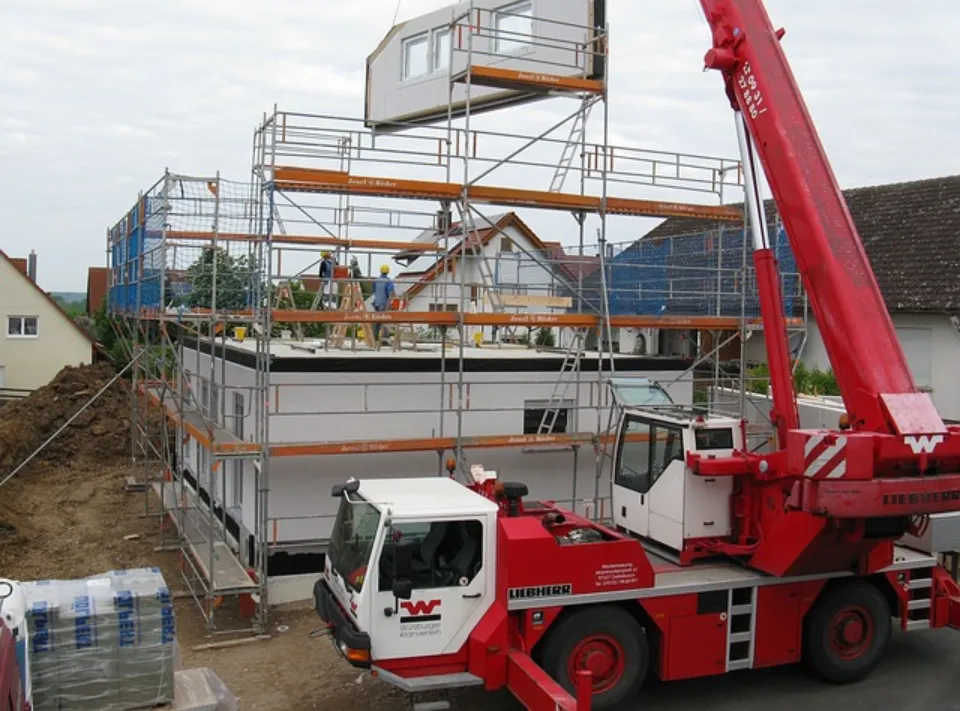
5. Filler Slabs for Roofs (Save 20% – 25% on Concrete & Steel)
Pioneered in India by legendary architect Laurie Baker, filler slab technology is one of the smartest structural engineering innovations for residential homes:
- The Engineering Concept: In an RCC roof slab, the concrete in the bottom tension zone does not contribute significantly to compressive strength. In filler slabs, this non-structural concrete is replaced with lightweight, low-cost filler materials like terracotta roof tiles, clay pots, or hollow burnt clay blocks.
- Direct Cost Savings: Cuts overall concrete consumption by 20% to 25% and steel reinforcement by 15% to 20% without sacrificing load-bearing safety.
- Natural Thermal Insulation: The air voids inside inverted terracotta tiles act as natural thermal barriers, keeping the top floor noticeably cooler during blazing summer months.
6. Rammed Earth & Compressed Stabilized Earth Blocks (CSEB)
Rammed earth and CSEB utilize local site soil compacted with a modest 5% to 8% cement or lime stabilizer:
- Proven Heritage & Modern Use: From ancient historic fortifications to modern architectural wonders in Auroville (Pondicherry) and Bangalore, stabilized earth construction produces stone-like monolithic walls.
- Eliminating Plaster & Paint: Earth walls boast stunning earthy textures that require neither plastering nor synthetic paint, saving ₹35 to ₹55 per sq ft in exterior wall finishing costs.
- Thermal Mass: High thermal inertia absorbs daytime heat and releases it slowly at night, creating a naturally climate-controlled living environment.
7. Ferrocement Elements (Precast Lintels, Slabs & Water Tanks)
Ferrocement is a composite material composed of rich cement-sand mortar reinforced with closely spaced layers of continuous wire mesh (chicken mesh or welded wire fabric):
- Ultra-Thin Thickness: Ferrocement panels are just 25mm to 35mm thick, compared to 100mm to 125mm for conventional RCC slabs.
- Cost & Weight Reduction: Ideal for precast sunshades (chajjas), staircase treads, door frames, septic tanks, and roof domes, saving up to 30% in material and transport weight.
- High Tensile Ductility: Exceptional crack resistance and impact tolerance, making it virtually impervious to water seepage.
Comparison Table: Low-Cost Building Materials vs Conventional Alternatives
| Low-Cost Material | Conventional Alternative | Approx. Cost Savings | Primary Advantage |
|---|---|---|---|
| Fly Ash Bricks | Red Clay Bricks | 30% – 40% per unit | Uniform dimensions, lower mortar use |
| AAC Blocks | Standard Masonry Blocks | 15% structural steel saving | Lightweight, thermal insulation |
| Manufactured Sand (M-Sand) | River Sand | 45% – 55% per load | Higher compressive strength, zero silt |
| Filler Slab Roofs | Solid RCC Slab | 20% – 25% concrete saving | Cooler room interiors, lower dead load |
| CSEB / Rammed Earth | Plastered Brickwork | 20% overall wall cost | Zero plaster/paint needed, high thermal mass |
| Ferrocement Panels | Heavy RCC Sunshades/Lintels | 25% – 30% per component | Ultra-thin, zero seepage, precast ease |
To see how these material choices calculate into total turnkey residential estimates, read our comprehensive guide on House Construction Cost per Sq Ft in Chennai, or learn how proper space planning reduces waste with 2D & 3D Floor Plan Design in Chennai.
Frequently Asked Questions
Are fly ash bricks structurally strong enough for multi-storey houses?
Yes. Grade-A fly ash bricks have a compressive strength between 7.5 to 10 N/mm², which comfortably exceeds the 3.5 to 5 N/mm² strength of standard country red bricks. They are fully approved for framed multi-storey buildings by IS 12894.
Can low-cost building materials withstand heavy Indian monsoons?
Yes. Modern stabilized earth blocks, AAC blocks with polymer waterproofing mortars, and M-sand concrete mixes are engineered specifically for tropical climates and heavy monsoon rainfall.
Which material saves the most money during house construction in India?
Manufactured Sand (M-Sand) and Fly Ash Bricks deliver the highest immediate cash savings during civil construction, reducing aggregate raw material bills by up to 35% compared to river sand and traditional kiln bricks.
Design Your Affordable Eco-Friendly Home with Vedha Design Studio
Under the vision of Architect Keerthana Jayakumar, Vedha Design Studio advocates for sustainable, cost-effective residential architecture that respects environmental balance without compromising durability or modern aesthetics. Reach out to our design practice at +91 97907 69777 to explore cost-efficient construction plans for your dream home.